

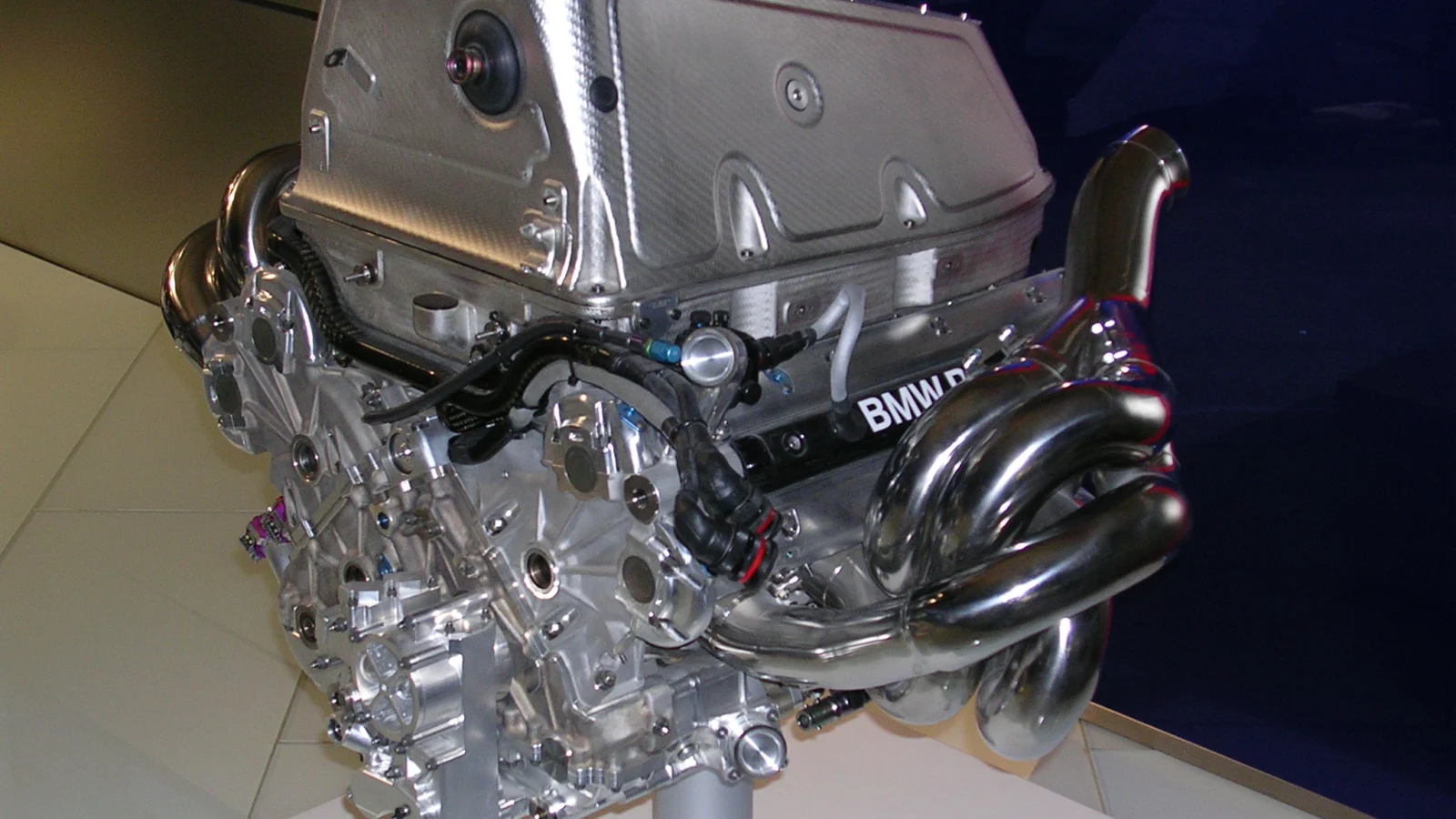
Formula 1 is set to bring back V8 engines in 2030. The FIA announced on 20 November 2026 that the FIA, Formula One Management (FOM), the teams and the power unit manufacturers had unanimously agreed a technical framework for 2030 built around a 2.1-litre turbocharged V8 running on advanced sustainable fuels, with limited hybridisation.
The agreement is a framework, not a finished rulebook. The FIA will present a definitive 2030 regulatory framework to the World Motor Sport Council (WMSC) in Shanghai in December 2026, and every regulatory change remains subject to the council’s approval.
Formula 1 agrees framework for a V8 engine return in 2030
The FIA 2030 power unit framework was agreed by every party that matters to the engine rules: the governing body, Formula 1’s commercial rights holder, the 11 teams and the manufacturers that build the power units. The FIA described the agreement as unanimous.
FIA President Mohammed Ben Sulayem called it “a significant milestone in shaping the future of Formula 1”. He added: “Our vision is clear, lighter, simpler and more affordable cars that put driver skill at the heart of the competition.”
The formal announcement followed a false start. On 17 November, FIA social media posts referring to an agreement in principle were published and then deleted, before the framework was confirmed three days later.
What will the proposed 2030 F1 V8 engine look like?
The 2030 engine will be a 2.1-litre turbocharged V8. A V8 has eight cylinders arranged in two banks of four, and a turbocharger uses exhaust gases to force more air into the engine.
The new V8 keeps some of the geometry of today’s engine. The current power unit is a 1.6-litre V6, and two extra cylinders of roughly the same size take the capacity to about 2.1 litres, which helps explain the figure the FIA chose.
The engine will run on advanced sustainable fuels. Sustainable fuels are fuels made from non-fossil sources, such as waste or captured carbon, designed to cut the net carbon emitted when they burn.
Hybridisation will be limited, not removed. The FIA has not published an electrical power figure, but briefings on the agreement point to 100kW of electrical power in normal running plus a further 100kW for overtaking, compared with 350kW from the electrical system under the 2026 rules. Power output, fuel-flow limits and the size of the battery have not been published.
Why does Formula 1 want to move back to V8 engines?
The FIA set out its aims in the announcement. Its overriding objective is a power unit that is a lot less complex, lighter and cheaper than the current one. It also wants more attack-oriented racing and an engine sound that resonates with fans.
Ben Sulayem described the Formula 1 V8 engine return as “an opportunity to reconnect with the DNA of this championship”. Formula 1 chief executive Stefano Domenicali, speaking in Las Vegas during the Grand Prix weekend, gave a simpler reason: “Because we want to be relevant for the future.”
These are stated objectives, not proven outcomes. Whether the 2030 cars are cheaper, louder or produce closer racing will only be known once the detailed rules are written and the cars race.
The move follows a difficult first season for the current rules. The 2026 power units split their output roughly evenly between combustion and electrical power, and some drivers have criticised the effect on racing. Max Verstappen said the V8 plan was “for sure in the right direction”.
How could the 2030 proposal change F1 cars?
The new engine is part of a wider car concept. The FIA wants the V8 paired with a lighter, more agile chassis that puts greater emphasis on driver skill and close racing.
A smaller electrical share would change how drivers use energy. Today’s hybrid engines rely heavily on harvesting and deploying electrical energy around each lap. With the electrical system reduced, more of the performance would come from the combustion engine, and a dedicated overtaking boost would become a tactical tool.
How much lighter the cars become, and how they handle, depends on technical regulations that have not yet been written.
What happens to the current power unit regulations?
The 2026 rules introduced a new generation of 1.6-litre V6 hybrid power units this season. The next power unit cycle had been due to start in 2031, so the F1 2030 engine regulations bring the change forward by one year.
The current rules will therefore run for four seasons, from 2026 to 2029, if the 2030 start date is confirmed. The exact transition arrangements, including any limits on development of the V6 engines in their final years, are not part of what the FIA has published.
What does the FIA still need to approve?
Agreement among the stakeholders is not the same as approved rules. The FIA’s next step is to present a definitive 2030 regulatory framework to the World Motor Sport Council, its rule-making body for motor sport, at its meeting in Shanghai in December 2026.
All regulatory changes remain subject to WMSC approval. Detailed elements, such as the power unit cost cap and the final technical limits, still have to be written into the F1 power unit regulations 2030 that teams and manufacturers will design to.
What does the proposal mean for manufacturers?
The 2026 grid has five power unit manufacturers: Mercedes, Ferrari, Red Bull Ford, Honda and Audi. Cadillac plans to build its own power unit from 2029.
Formula 1 engine changes are costly for manufacturers because each new formula needs a new design. Audi and Honda built their current programmes around the 2026 rules, and during the negotiations they were reported to insist on keeping a strong hybrid element. The agreed framework keeps hybrid power while reducing it, and the FIA says all manufacturers signed up to it.
No manufacturer has announced a change to its Formula 1 plans as a result of the framework.
When could Formula 1 introduce the new V8 engines?
The target is the 2030 season. The December 2026 WMSC meeting is the next milestone, and manufacturers need final rules early to have enough time to design, build and test a new engine for 2030.
F1 last raced with V8 engines in 2013, when the series used 2.4-litre naturally aspirated units. A 2030 introduction would bring them back 17 years after their last race.
The key takeaway: Formula 1’s stakeholders have unanimously agreed a 2030 framework for a 2.1-litre turbocharged V8 with sustainable fuels and limited hybrid power, and the World Motor Sport Council must now approve the detailed regulations in Shanghai in December 2026.

Join the conversation
0 comments