

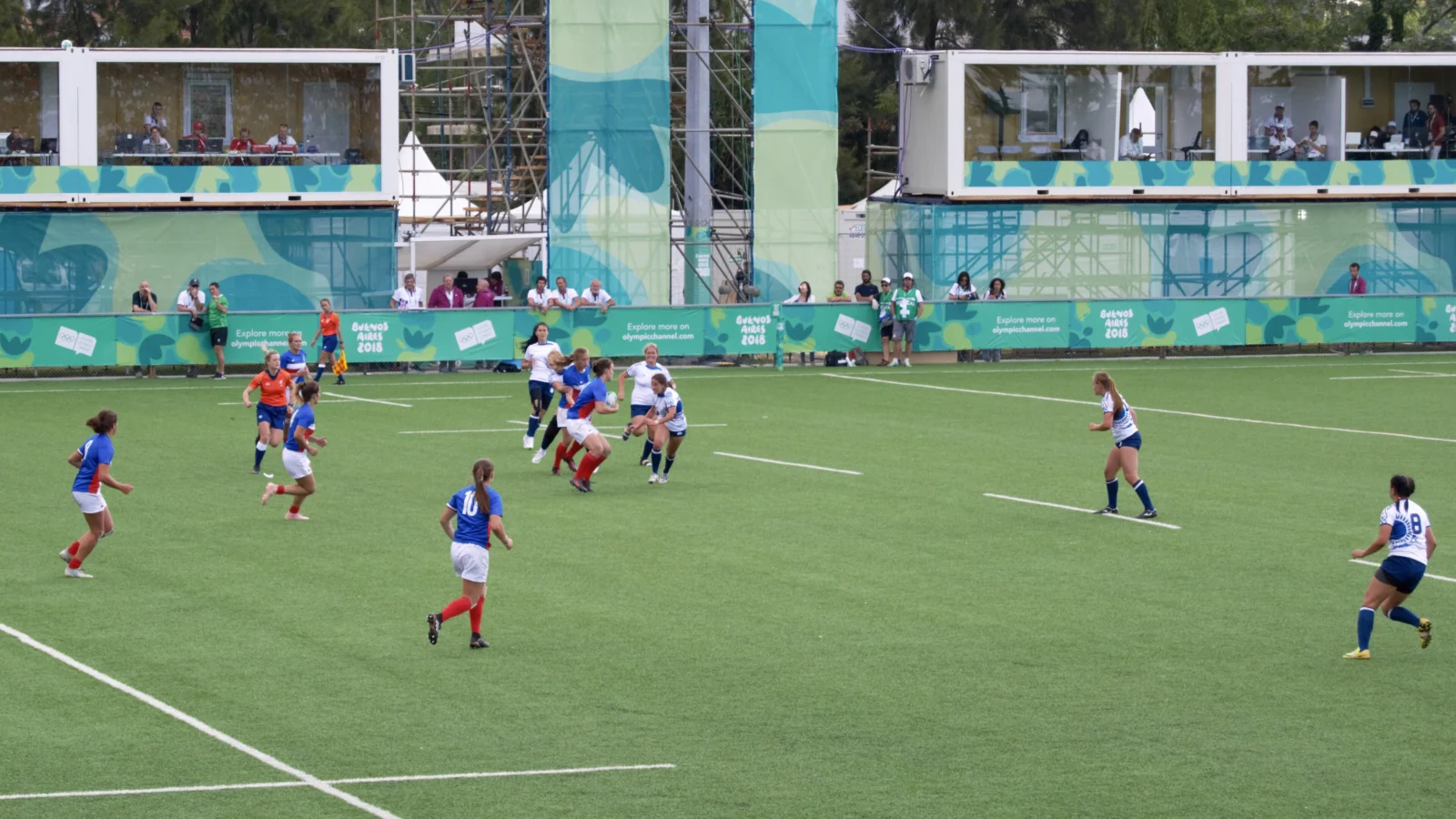
Kazakhstan rugby player Diana Andriyenko has accepted an anti-doping rule violation from the 2026 Asian Games in Aichi-Nagoya, Japan, after an in-competition sample returned a positive finding for sibutramine metabolites. All of her individual results from the Games have been disqualified. The results of the Kazakhstan women’s Rugby Sevens team, however, stand.
The International Testing Agency (ITA), which handled the case on behalf of the Olympic Council of Asia (OCA), announced the outcome on 16 November 2026. The OCA considers the matter concluded and has referred it to World Rugby, which will decide whether further consequences, including a period of ineligibility, should apply.
What the ITA announced
Andriyenko gave a sample during an in-competition anti-doping control on 1 October 2026 in Nagoya, the opening day of the Rugby Sevens tournament. The laboratory reported an adverse analytical finding: a WADA-accredited laboratory’s confirmation that a prohibited substance, or its metabolites or markers, is present in a sample.
Andriyenko accepted both the violation and its consequences: the disqualification of all her individual results from the 20th Asian Games, including the Rugby Sevens competition on 1, 2 and 3 October. The ITA’s public register records the case as resolved through an agreement on consequences, which means it was settled without a hearing because she did not contest the finding.
What is sibutramine?
Sibutramine is a synthetic stimulant that has been used as an appetite suppressant. According to the ITA, it alters neurotransmitter levels, leading to increased energy expenditure and weight loss.
It appears on the World Anti-Doping Agency (WADA) Prohibited List under S6.B, Specified Stimulants, and is banned in competition only. “Specified” is a category used when sanctions are assessed under the World Anti-Doping Code. It does not, on its own, decide how serious a case is or what sanction follows.
The ITA has not said how the substance entered Andriyenko’s system, and the announcement makes no finding on the circumstances.
Why Kazakhstan’s team results stand
This is the most important part of the case. Andriyenko’s individual record from the Games has been wiped, but the ITA confirmed that, under the OCA rules, the results of the Kazakhstan women’s Rugby Sevens team are not to be disqualified.
The OCA’s rules explain why. In a team sport, a team sanction applies only when more than two members of the same team are found to have committed an anti-doping rule violation during the event period. Here one player has been found to have committed a violation, so the consequences fall on her alone. The ITA statement does not cite the specific article, but the threshold appears in Article 11 of the OCA rules.
In practical terms, nothing changes in the standings. Kazakhstan beat India 20-0 in the fifth-place match on 3 October. Japan won the women’s gold by beating China 10-5 in the final, and Hong Kong China took bronze by beating Thailand 7-5. No medal is affected, and nothing suggests the rest of the squad was involved.
Will Andriyenko face a further ban?
Not yet, and possibly not on any set timeline. The OCA’s authority covers only the Games themselves. Under its rules, consequences beyond the event are referred to the sport’s international federation, which here is World Rugby.
The ITA register lists her period of ineligibility as “N/A” while World Rugby considers the case under its own anti-doping regulations. No suspension or length of ban has been announced. Any sanction would come from World Rugby, not from the OCA.
What happens next
The case leaves three clear outcomes so far. Andriyenko’s individual Asian Games results are disqualified. Kazakhstan’s team results stand. Any wider sanction now depends on World Rugby.
It also shows how responsibility is split at a multi-sport event: the organiser deals with the Games results, and the sport’s international federation decides what follows. Neither the ITA’s announcement nor its register includes a statement from Andriyenko or from Kazakhstan’s rugby authorities. The next development to watch is World Rugby’s decision on whether she faces a period of ineligibility.


Join the conversation
0 comments