

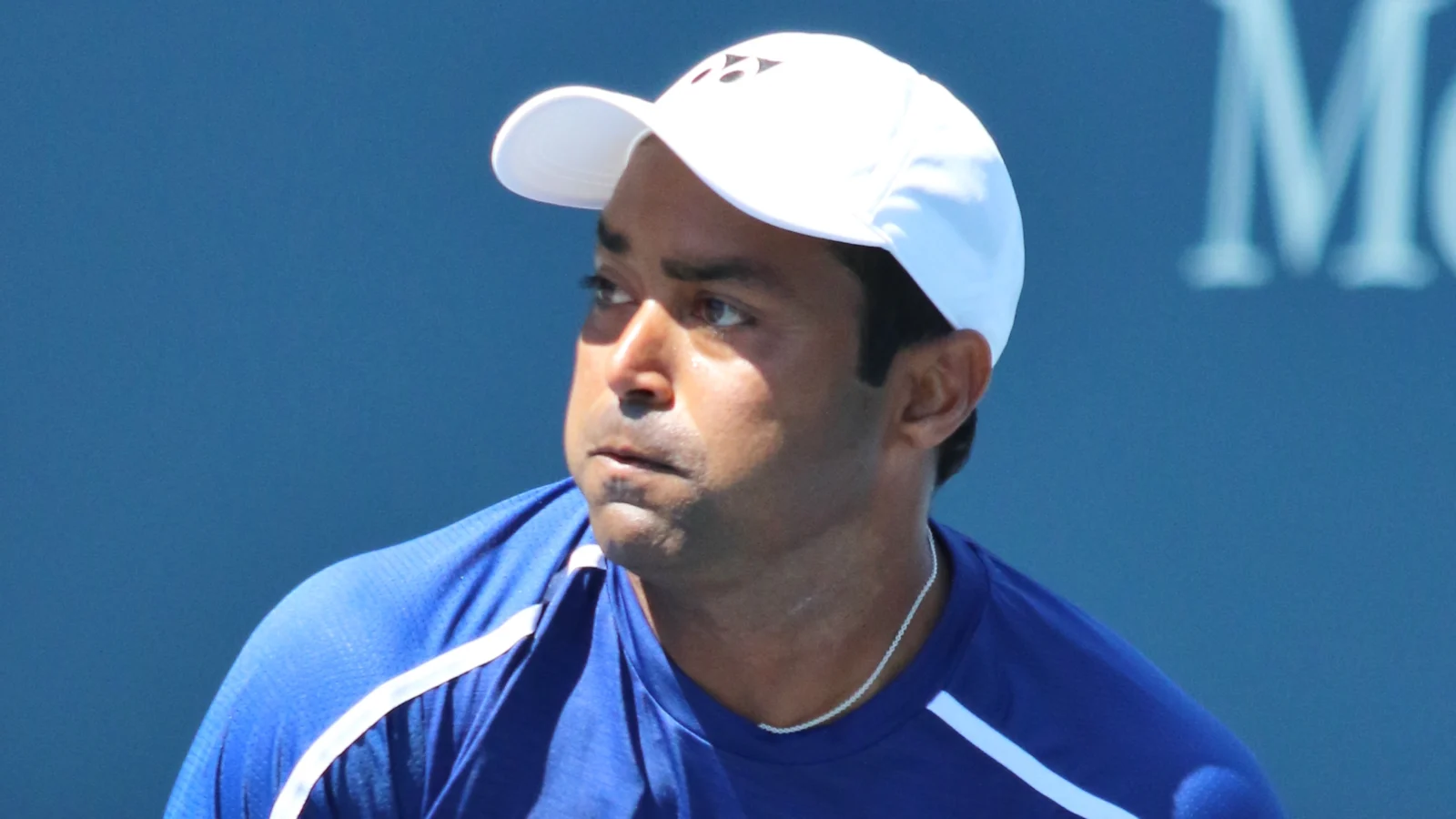
Leander Paes is standing for vice-president of the All India Tennis Association (AITA) at the elections on 27 November, and he has now set out what he would change. In an interview with PTI published on 16 November 2026, the 53-year-old proposed a five-zone administrative structure with quarterly evaluations, stronger legal and financial systems, and more opportunities for young players. The Leander Paes AITA agenda is a set of campaign proposals, not policy. The harder question is whether any of it would change results on court.
What the Leander Paes AITA plan proposes
Paes is running on the “Tennis First” panel led by interim president Chintan Parikh, after dropping an earlier plan to challenge Parikh for the top job. PTI reported that he could not stand for president from West Bengal because he has not completed a full term as head of the state association, which he has led since November 2025.
The Leander Paes reforms centre on accountability. He told PTI he wants “every individual accountable”, with each state association answerable too. Under his model, zonal heads for the north, south, east, west and central regions would hold internal meetings and quarterly reviews. He also wants state associations empowered to scout and develop talent, a planned domestic calendar, more ATP and WTA events in India, and better support for children from smaller towns and poorer backgrounds. The interview set out no costings or timetable.
Why Indian tennis administration is under pressure
These ideas land in a federation already being rebuilt. Former players Somdev Devvarman and Purav Raja took AITA to the Delhi High Court in 2024, alleging it had not complied with the National Sports Development Code. The 2024 election results were sealed, and a court-appointed administrator, retired judge Gita Mittal, oversaw a rewrite of the constitution. The new constitution, approved in July, sets a 70-year age cap for Executive Committee members and requires at least 25 per cent of the committee to be women.
Devvarman and Raja have also sought 10 years of records from state associations under right to information law, arguing that national reform means little if state bodies stay opaque. That is the weak point in Indian tennis administration that a zonal model could address: coordination between state units and the national body. Quarterly reviews only help, though, if their findings are published and someone acts on them.
Can the AITA elections change results on court?
The rankings explain the urgency. In early November 2026, India’s top men’s singles player, Sumit Nagal, was ranked in the 200s, and no Indian woman was inside the top 300 in singles. Doubles is healthier, with Yuki Bhambri and Sriram Balaji both ranked around the top 50.
Administration cannot hit a forehand. It does, however, control what shapes a pathway: how many home Challenger and ITF events exist, whether funding reaches juniors outside the big cities, and whether sponsors trust the federation. Paes himself linked the misuse of positions to lost corporate support. Better governance is a precondition for those gains, not a guarantee, and any effect on results would take years to show.
What to watch
The AITA elections on 27 November will decide whether Paes gets the chance to test his plan. If he does, the measures are concrete: published zonal reviews, audited accounts, and a domestic calendar that gives young Indian players more ranking points at home.


Join the conversation
0 comments